


What is a Gas Safety Certificate?
Updated on February 24, 2025
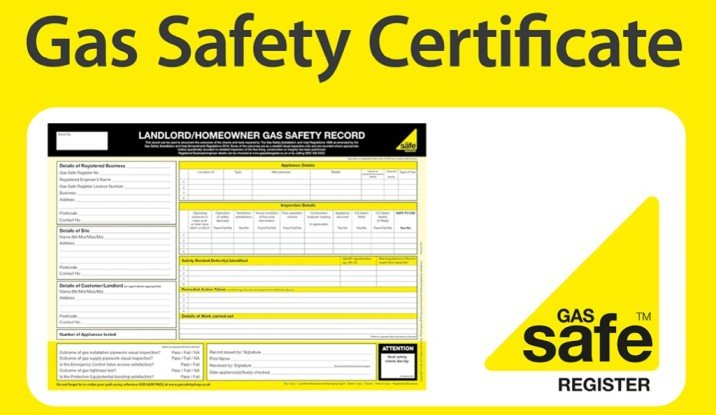
A Gas Safety Certificate, also known as a CP12 certificate, is an official document issued by a Gas Safe registered engineer after they have inspected your gas appliances, including your boiler, gas cooker, and gas fires. The certificate confirms that your gas appliances are safe to use and meet the required safety standards.
For landlords, having a valid Gas Safety Certificate is a legal requirement for each rental property. However, even if you’re a homeowner, this certificate is essential for ensuring the safety of your household and maintaining the validity of your home insurance.
The Connection Between Gas Safety Certificates and Home Insurance
Home insurance policies in the UK often include specific conditions that policyholders must meet to keep their coverage valid. One of these conditions is that your home must be safe and well-maintained. Since gas appliances can pose serious risks - such as gas leaks, carbon monoxide poisoning, or even explosions - insurers take gas safety very seriously.
If you don’t have a valid Gas Safety Certificate, your insurer may argue that you haven’t taken the necessary steps to ensure your gas appliances are safe. In the event of a claim related to a gas appliance - such as damage caused by a gas leak or boiler malfunction - your insurer could refuse to pay out. This could leave you facing significant repair or replacement costs out of pocket.
What Does This Mean for Homeowners?
For homeowners, the absence of a Gas Safety Certificate can be a major issue. Even if your gas appliances are functioning perfectly, without the official documentation to prove their safety, your insurer may view your home as a higher risk. This could not only invalidate your insurance but also cause problems if you’re selling your home, as potential buyers may request proof of gas safety checks.
How to Protect Yourself
Schedule Annual Gas Safety Checks: Ensure that a Gas Safe registered engineer inspects your gas appliances every year. This will not only keep your home safe but also provide you with a valid Gas Safety Certificate.
Keep Your Certificate Safe: Once you receive your Gas Safety Certificate, store it in a secure place. You may need to present it to your insurer, a potential buyer, or even a tenant if you decide to rent out your property.
Review Your Insurance Policy: Check the terms and conditions of your home insurance policy to understand the requirements related to gas safety. If you’re unsure, contact your insurer for clarification.
Consider Additional Cover: Some insurers offer specific cover for gas appliances or boiler breakdowns. This can provide extra peace of mind and ensure your appliances are regularly maintained.
What Happens If You Don’t Have a Gas Safety Certificate?
If you don’t have a valid Gas Safety Certificate and something goes wrong - such as a gas leak or carbon monoxide poisoning - you could face serious consequences. Not only could your insurance claim be denied, but you could also be held legally liable if someone is injured or worse. In addition, selling your home without a Gas Safety Certificate could delay the process or reduce the value of your property.
Conclusion
A Gas Safety Certificate isn’t just a piece of paper - it’s a vital document that ensures the safety of your home and protects your insurance coverage. By scheduling regular gas safety checks and keeping your certificate up to date, you’re not only safeguarding your home and family but also ensuring that your insurance remains valid. Don’t take chances with gas safety - make sure your Gas Safety Certificate is in order today.
For landlords, having a valid Gas Safety Certificate is a legal requirement for each rental property. However, even if you’re a homeowner, this certificate is essential for ensuring the safety of your household and maintaining the validity of your home insurance.
The Connection Between Gas Safety Certificates and Home Insurance
Home insurance policies in the UK often include specific conditions that policyholders must meet to keep their coverage valid. One of these conditions is that your home must be safe and well-maintained. Since gas appliances can pose serious risks - such as gas leaks, carbon monoxide poisoning, or even explosions - insurers take gas safety very seriously.
If you don’t have a valid Gas Safety Certificate, your insurer may argue that you haven’t taken the necessary steps to ensure your gas appliances are safe. In the event of a claim related to a gas appliance - such as damage caused by a gas leak or boiler malfunction - your insurer could refuse to pay out. This could leave you facing significant repair or replacement costs out of pocket.
What Does This Mean for Homeowners?
For homeowners, the absence of a Gas Safety Certificate can be a major issue. Even if your gas appliances are functioning perfectly, without the official documentation to prove their safety, your insurer may view your home as a higher risk. This could not only invalidate your insurance but also cause problems if you’re selling your home, as potential buyers may request proof of gas safety checks.
How to Protect Yourself
Schedule Annual Gas Safety Checks: Ensure that a Gas Safe registered engineer inspects your gas appliances every year. This will not only keep your home safe but also provide you with a valid Gas Safety Certificate.
Keep Your Certificate Safe: Once you receive your Gas Safety Certificate, store it in a secure place. You may need to present it to your insurer, a potential buyer, or even a tenant if you decide to rent out your property.
Review Your Insurance Policy: Check the terms and conditions of your home insurance policy to understand the requirements related to gas safety. If you’re unsure, contact your insurer for clarification.
Consider Additional Cover: Some insurers offer specific cover for gas appliances or boiler breakdowns. This can provide extra peace of mind and ensure your appliances are regularly maintained.
What Happens If You Don’t Have a Gas Safety Certificate?
If you don’t have a valid Gas Safety Certificate and something goes wrong - such as a gas leak or carbon monoxide poisoning - you could face serious consequences. Not only could your insurance claim be denied, but you could also be held legally liable if someone is injured or worse. In addition, selling your home without a Gas Safety Certificate could delay the process or reduce the value of your property.
Conclusion
A Gas Safety Certificate isn’t just a piece of paper - it’s a vital document that ensures the safety of your home and protects your insurance coverage. By scheduling regular gas safety checks and keeping your certificate up to date, you’re not only safeguarding your home and family but also ensuring that your insurance remains valid. Don’t take chances with gas safety - make sure your Gas Safety Certificate is in order today.